
Plots in Granada - buy, sell or rent easily

Find plots by category in Granada (Province)


Plots for sale with most wanted features
- Urban 50
- Developable 24
- Non developable 69


Latest publications of land and houses for sale in Granada (Province)




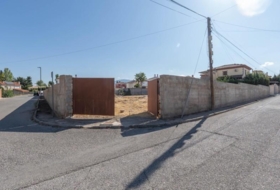
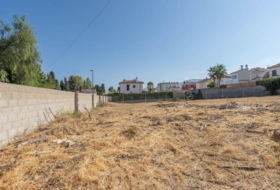
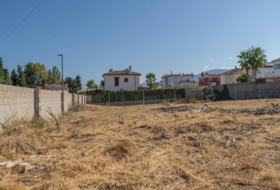
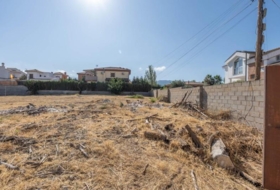
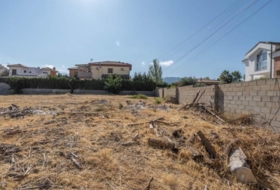

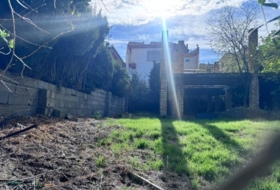
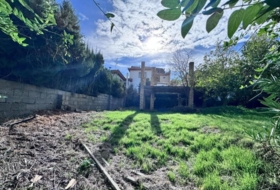
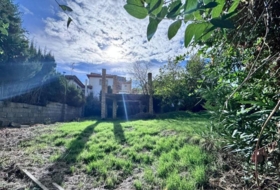
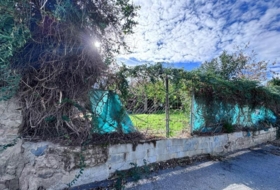
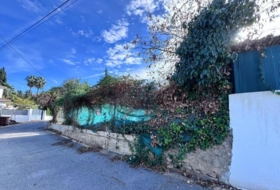
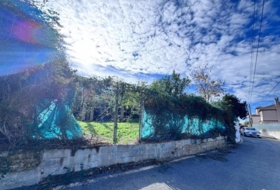
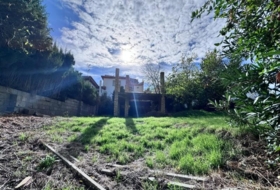

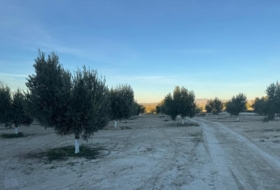
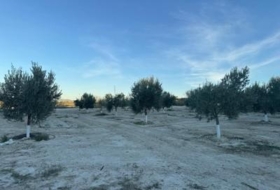
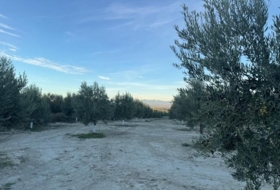
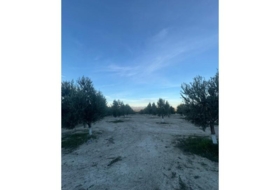
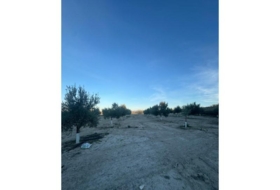
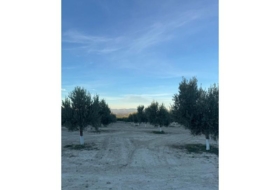
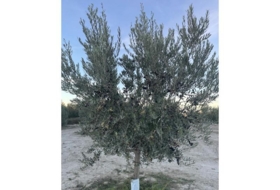


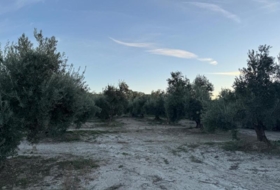
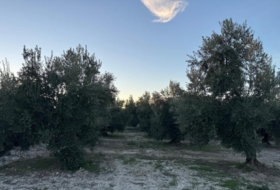
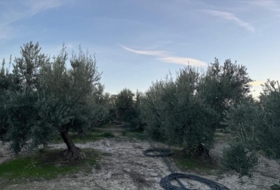
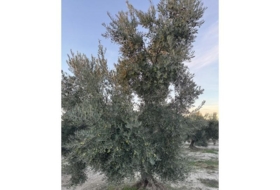
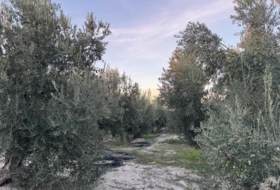
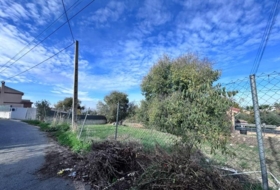
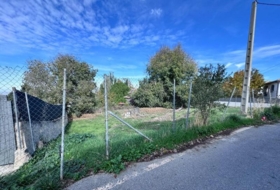
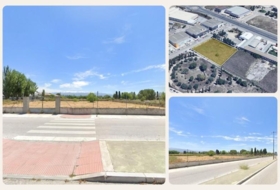
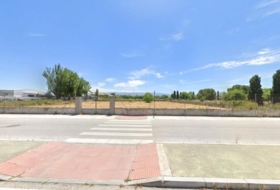
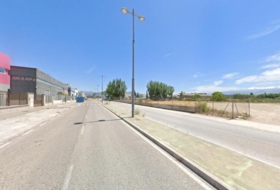
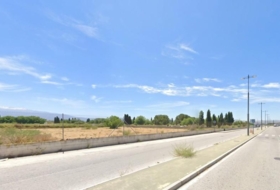
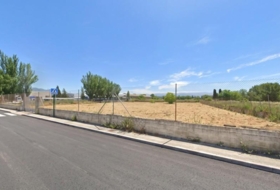
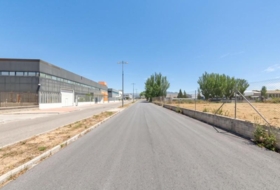
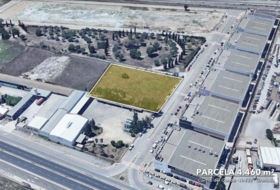
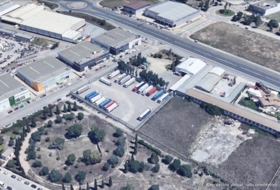
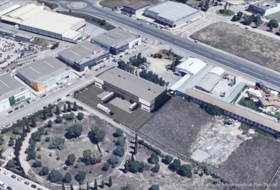
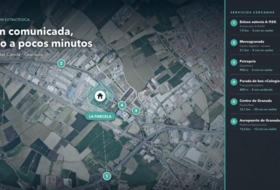



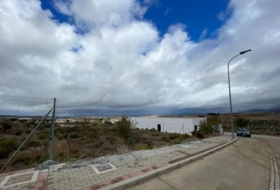
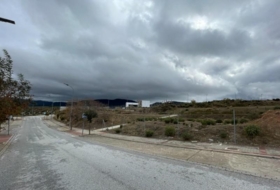
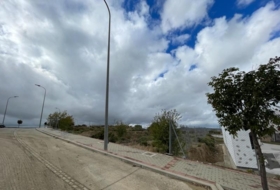
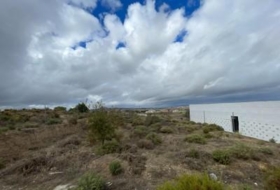
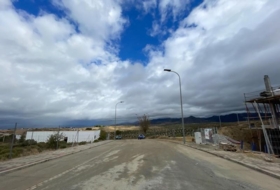
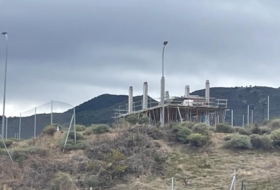
Where to buy land in Granada
The average price of urban land in Granada is one of the lowest in Andalusia. The areas with the cheapest urban land for sale are Baza, Guadix and Íllora. The most expensive lots, on the other hand, are in Acebuches, Gabia Chica, Padul and Pretel. Even so, prices of rustic land for sale, as well as of urban and developable land, are considerably lower than in the rest of Andalusia.
The cheapest plots in the province of Granada are in the municipalities of Pedro Martínez, Santa Cruz del Comercio, Beas de Granada and Murtas. Very affordable land can also be found in other towns, such as La Loma de Albuñuelas, Galera, Montefrío and Saleres.
Low and attractive land values
The province of Granada lies in the south of the country, in southern Andalusia, where its shores are washed by the Mediterranean Sea. It covers more than 1,200,000 hectares, over 14% of the autonomous community. Its contrasting relief and high average altitude give Granada hot, dry summers, with cold winters inland and mild ones on the coast. Its economy is based on services, especially tourism, thanks to the historical and cultural value of the city of Granada. However, agriculture also carries great weight in the province, particularly irrigated farming.
Granada has one of the lowest average land values in the whole autonomous community. This is mainly because it is the province with the highest altitude, which makes it harder to put its land to use, especially rustic land for farming.
A land of great contrasts
It is a territory of great contrasts. The most striking features of the Granada landscape are the Subbaetic ranges to the north and inland and, to the south, the Penibaetic System with the high peaks of Sierra Nevada, which gives way to the Mediterranean coast. The relief is not the most favourable for agriculture, due to the high altitude and steep slopes. The climate does not help either, as rainfall is scarce throughout the year. That is why irrigated farming is so important in the province.
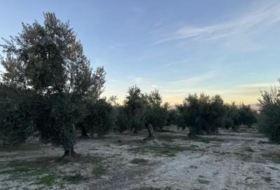
Rustic land used for farming covers more than 45% of the province, an area of over 530,000 hectares. In Granada, olive groves, cereals, fruit trees and vegetables predominate. Livestock farming, more prominent in mountain areas, is less important than agriculture. Sheep and goats stand out.
Forest land covers more than 280,000 hectares, divided into timber forest, scrubland and open woodland. Meadows and pastures add up to more than 100,000 hectares in a territory rich in diverse natural resources.
Several large municipalities
The population density is below the Spanish average. The capital, Granada, has the largest share of the population. Motril, Almuñécar and Baza also have more than 20,000 inhabitants, while municipalities such as Baza, Guadix and Huéscar have the largest municipal areas.
In the province, urban plots add up to more than 20,000 hectares, while developable land covers more than 15,000 hectares. Residential plots, concentrated in the city of Granada, cover more than 3,000 hectares.
An industry seeking greater weight in the region
More than 3,000 hectares of industrial land are spread across more than 45 industrial estates. The most important sectors are food, metallurgy and energy supply. Transport has also grown in recent years in an industry whose development and dynamism have slowed. The aim is to build an industrial base that takes root in the region.
As in other provinces, tourism is the basis of Granada's economy. The historical and cultural value of the Nasrid city attracts millions of Spanish and international tourists every year.
Granada, a unique place in Spain
Granada is a province strongly shaped by its relief, which also influences the economy, since it directly affects farming. Even so, agriculture is one of the economic mainstays, especially thanks to irrigation. It is a unique place in Spain for its history, culture and nature. Moreover, having one of the lowest land values in Andalusia is a strong advantage for a territory that aims to consolidate its industrial sector, where the food industry is the most important.


